High-Performance Building Design: The Developer's Guide
2026-03-24 · 13 min read · David Serrano
What Is High-Performance Building Design?
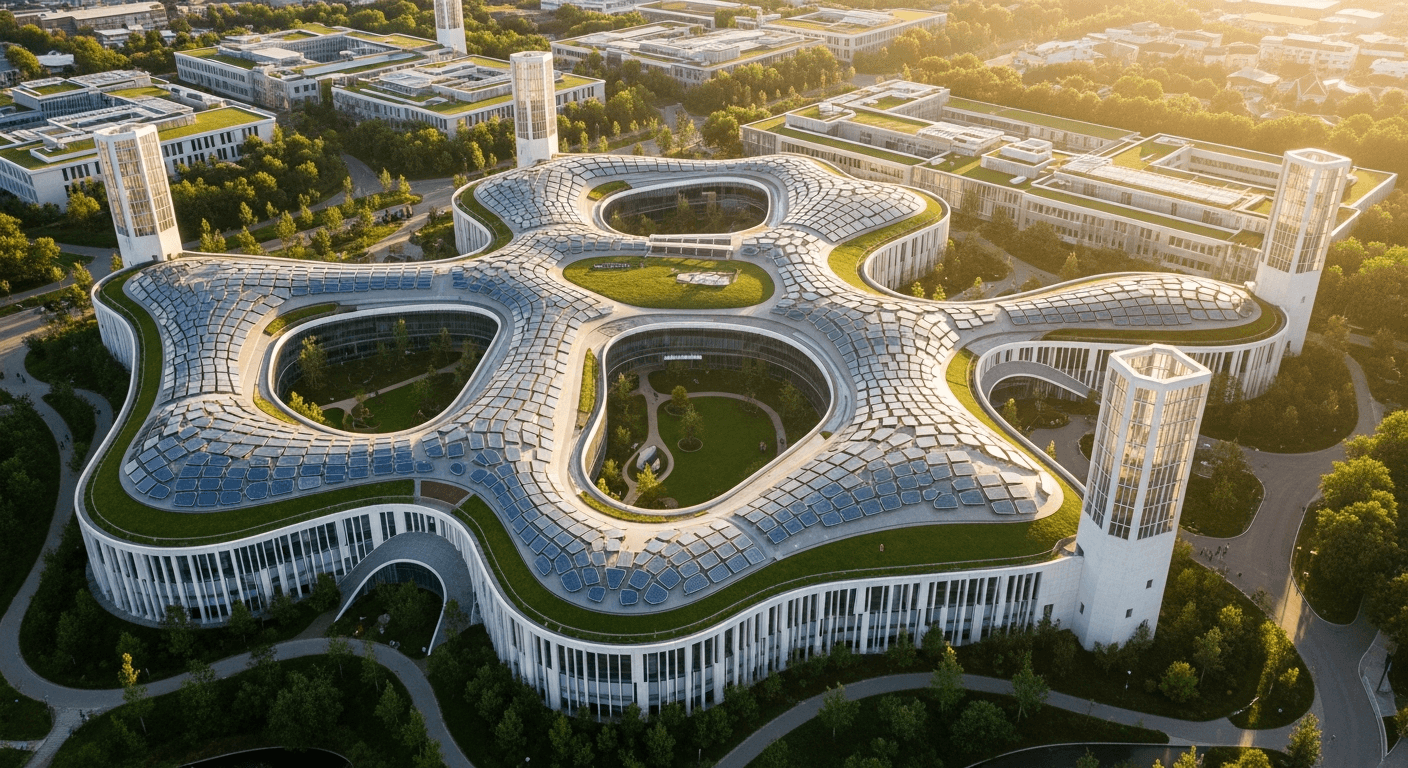
High-performance building design is an integrated design approach that optimizes a building across energy efficiency, occupant wellness, environmental impact, and financial return simultaneously. Unlike conventional design — where energy performance is addressed through bolt-on systems after the building form is established — high-performance design treats performance as a generative principle. The building's geometry, envelope, orientation, spatial layout, and systems are all shaped by quantifiable performance targets from the earliest design phase.
The term "high-performance" is deliberately broader than "green" or "energy-efficient." A high-performance building is not just one that uses less energy. It is one that produces better outcomes across every measurable dimension: lower operating costs, healthier indoor environments, higher occupant satisfaction, stronger resale values, faster lease-up rates, and compliance with increasingly stringent ESG and regulatory requirements.
For real estate developers, high-performance building design has shifted from a premium differentiator to a baseline expectation. Institutional investors, corporate tenants, and premium residential buyers now evaluate buildings on measurable performance metrics — and the gap between high-performance and conventional buildings translates directly into asset value.
Beyond Energy Efficiency: The Wellness Dimension
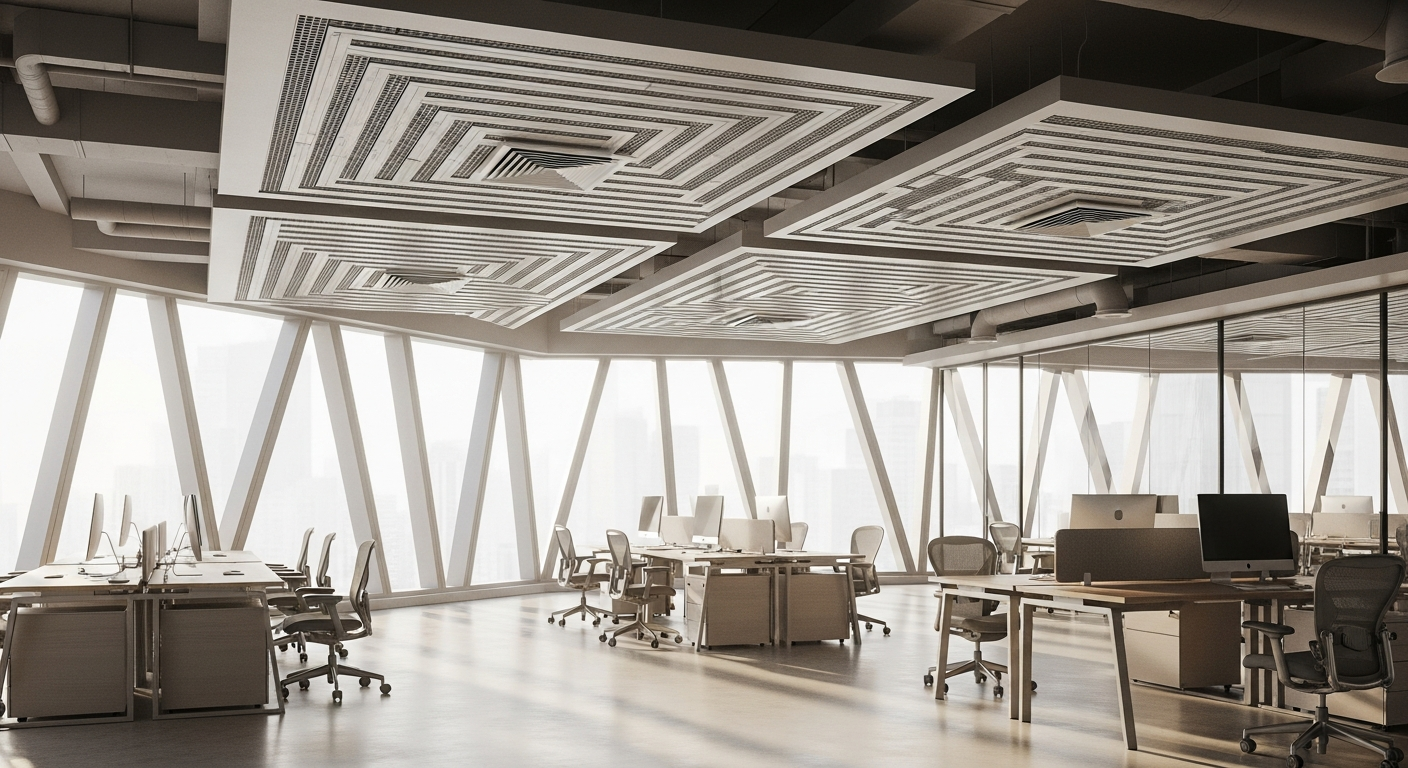
The first generation of high-performance building design focused narrowly on energy reduction — insulation values, HVAC efficiency, lighting power density. That approach was necessary but insufficient. The current generation integrates occupant wellness as a co-equal performance dimension, driven by three converging forces.
The Health Evidence Base
Research from the Harvard T.H. Chan School of Public Health (the COGfx Study, 2015-2017) demonstrated that occupants in high-performance buildings with optimized ventilation, daylighting, and low-VOC materials scored 101% higher on cognitive function tests than those in conventional buildings. Subsequent studies have shown 30% fewer sick building syndrome symptoms, 6.4% higher productivity scores, and 12% improvement in sleep quality for occupants of certified high-performance buildings.
The Market Signal
The Global Wellness Institute values the wellness real estate market at over $584 billion globally, growing at 18% annually. CBRE research shows that WELL-certified office buildings achieve $10-15/sf rent premiums over comparable Class A space. In residential markets, buildings with integrated wellness design sell at 20-30% premiums over conventional competition. Developers who optimize only for energy leave this premium on the table.
The Regulatory Trajectory
The EU's Energy Performance of Buildings Directive (EPBD recast 2024) requires all new buildings to be zero-emission by 2030. New York's Local Law 97 imposes carbon penalties starting in 2024. Dubai's Al Sa'fat green building rating system is mandatory for all new construction. These regulations are converging on a standard where conventional buildings face financial penalties and high-performance buildings become the permittable norm.
The Performance Stack: Envelope + Systems + Spatial Design
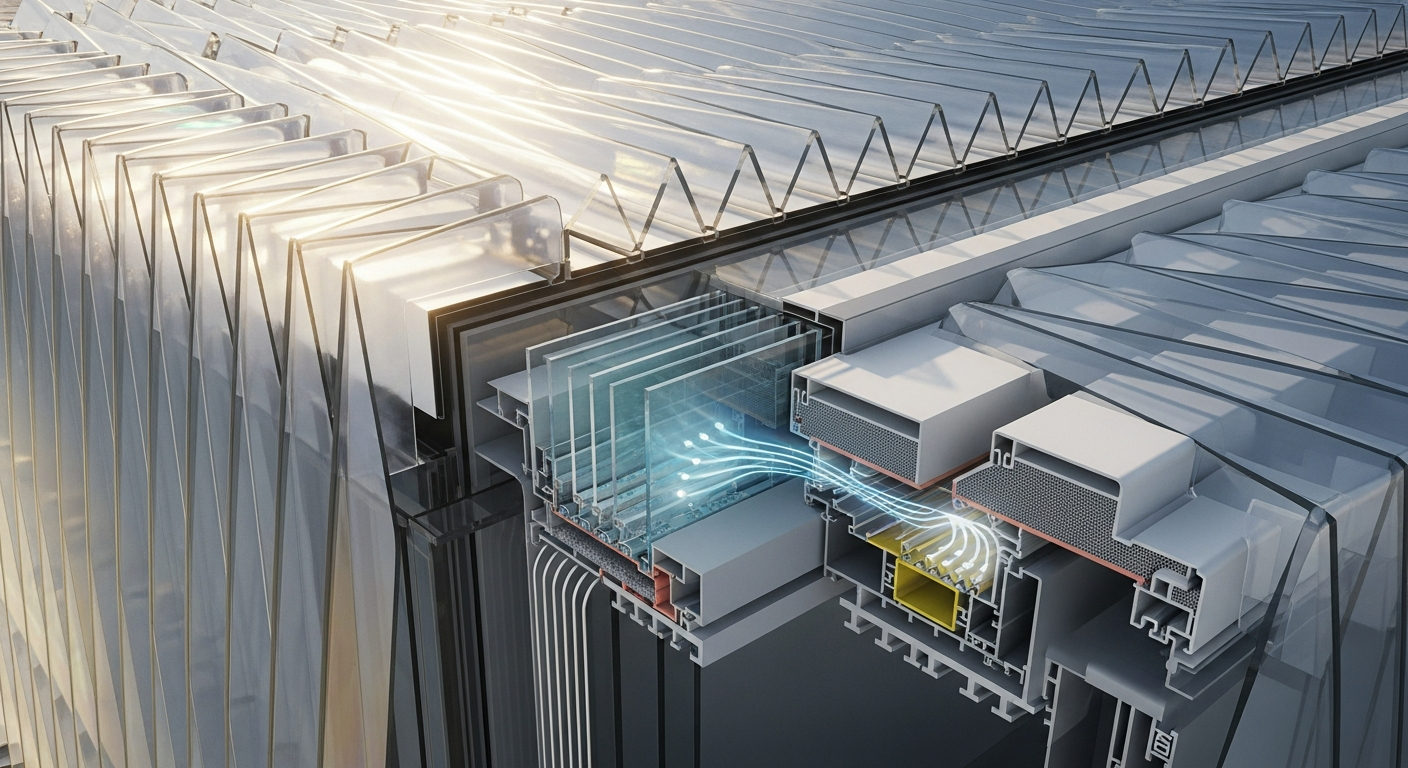
High-performance building design operates through three integrated layers. Optimizing any single layer in isolation produces incremental improvement. Optimizing all three as a system produces transformative performance — and that integration is where computational and parametric design methods are essential.
Layer 1: The Envelope
The building envelope — facade, roof, ground floor — is the primary performance interface between interior and exterior environments. In high-performance design, the envelope is engineered, not decorated.
- Thermal performance: Continuous insulation, thermal break details, and air barrier continuity to minimize conductive, convective, and radiative heat transfer. Target: U-values 40-60% below code minimum.
- Solar control: Parametric solar shading systems that vary by orientation and elevation. West-facing facades in hot climates may require solar heat gain coefficient (SHGC) reductions of 60-70%, while north-facing facades can admit more daylight. Fixed-design facades cannot achieve this optimization; parametric facades can.
- Daylighting: Aperture size, position, and glazing properties tuned to maximize spatial daylight autonomy (sDA > 55% of floor area receiving 300 lux for 50% of occupied hours) while minimizing glare (annual sunlight exposure < 10% of floor area exceeding 1000 lux for 250+ hours).
Layer 2: Building Systems
High-performance mechanical, electrical, and plumbing (MEP) systems respond to the reduced loads created by an optimized envelope.
- Right-sized HVAC: A high-performance envelope reduces peak cooling and heating loads by 30-50%, enabling smaller, more efficient HVAC equipment. This reduces both capital cost and operating cost.
- Energy recovery: Heat recovery ventilation (HRV/ERV) systems capture 70-85% of energy from exhaust air, dramatically reducing the fresh air conditioning load.
- Circadian lighting: Tunable LED systems synchronized with daylight conditions, supporting occupant circadian rhythms and reducing lighting energy by 40-60% compared to conventional systems.
- Smart controls: Building management systems (BMS) with occupancy sensing, demand-controlled ventilation, and predictive algorithms that optimize system performance in real time.
Layer 3: Spatial Design
The least visible but often most impactful layer. How space is organized determines how effectively the envelope and systems perform.
- Floor plate depth: Shallower floor plates (< 14m depth) enable deeper daylight penetration, reducing artificial lighting dependence. Parametric massing can optimize floor plate geometry for daylight while maintaining efficient net-to-gross ratios.
- Ceiling height variation: Neuroarchitectural research shows that ceiling heights affect cognitive function and emotional state. High-performance spatial design calibrates ceiling heights along circulation paths — compression at transitions, expansion at primary spaces — to enhance perceived quality and occupant satisfaction.
- Natural ventilation zones: Floor plans designed with cross-ventilation paths aligned to prevailing wind directions, enabled by parametric facade porosity. In temperate climates, natural ventilation can eliminate mechanical cooling for 30-60% of annual occupied hours.
Measuring Performance: Metrics That Matter to Developers
High-performance building design is only valuable if it is measurable. Here are the metrics that translate building performance into financial performance — the language developers and investors understand.
Energy Use Intensity (EUI)
Annual energy consumption per unit area (kWh/m²/year or kBTU/sf/year). High-performance buildings target EUI reductions of 40-60% below ASHRAE 90.1 baseline. For a 50,000 m² office building, a 50% EUI reduction translates to approximately $200,000-400,000/year in energy cost savings at current rates — a direct improvement to net operating income (NOI).
Spatial Daylight Autonomy (sDA)
The percentage of regularly occupied floor area that receives sufficient daylight (300 lux) during 50% or more of annual occupied hours. High-performance targets: sDA > 55% (LEED v4.1 threshold) or > 75% (preferred for WELL certification). Higher sDA correlates directly with occupant satisfaction scores and rental premiums for commercial space.
Indoor Air Quality (IQ)
CO2 concentration (target: < 800 ppm in occupied spaces), particulate matter (PM2.5 < 15 μg/m³), and total VOC levels (< 500 μg/m³). The Harvard COGfx research demonstrated a direct, linear relationship between CO2 levels and cognitive function — every 100 ppm reduction above 600 ppm improved decision-making performance by approximately 10%. For commercial developers, this is a measurable productivity argument for premium tenants.
Thermal Comfort (PMV/PPD)
Predicted Mean Vote (PMV) within ±0.5 and Predicted Percentage Dissatisfied (PPD) < 10% across 95% of occupied area. Thermal comfort is the #1 driver of occupant satisfaction in workplace surveys (ASHRAE). High-performance envelope and system design achieves these targets with less energy than conventional approaches.
Financial Metrics
- Green premium: 20-30% sale price or 10-15% rent premium for certified high-performance buildings (CBRE, JLL data)
- Cap rate compression: 0.5-1.0% lower cap rates for LEED/WELL-certified assets, reflecting lower perceived risk and higher income stability
- Occupancy premium: 4-8% higher occupancy rates for certified buildings in competitive markets
- Absorption velocity: 20-25% faster lease-up for WELL-certified commercial and premium residential
Certification Landscape: LEED, WELL, BREEAM, Estidama
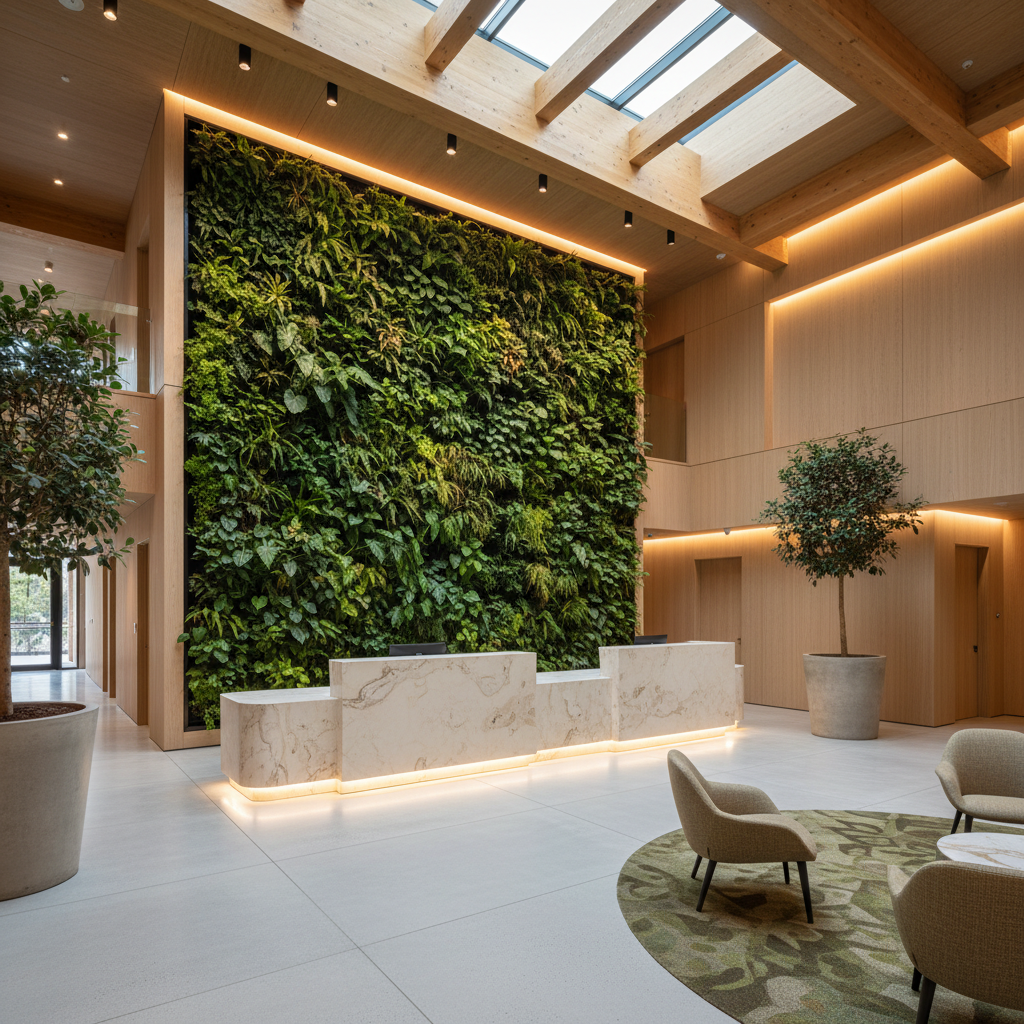
Certifications translate high-performance design into market-recognized credentials. For developers, certification is not an end goal — it is a communication tool that makes performance legible to buyers, tenants, and investors. Here is the landscape.
LEED (Leadership in Energy and Environmental Design)
The most widely recognized global standard, with over 100,000 certified projects. LEED v4.1 emphasizes measurable performance outcomes. Key high-performance credits: Optimize Energy Performance (up to 18 points), Daylight (3 points), Enhanced Indoor Air Quality (2 points), Thermal Comfort (1 point). LEED Platinum status requires 80+ points and signals top-tier building performance. Premium: 5-15% above non-certified comparable assets (CBRE Green Building Adoption Index).
WELL Building Standard
Focused exclusively on occupant health and wellness. WELL v2 evaluates 10 concepts: Air, Water, Nourishment, Light, Movement, Thermal Comfort, Sound, Materials, Mind, and Community. WELL Platinum requires 80+ points. WELL certification is increasingly required by institutional tenants (tech companies, financial services, pharmaceutical firms) and commands $10-15/sf rent premiums in major markets. For residential, WELL certification supports 20-30% price premiums.
BREEAM
The UK-originated standard with strong adoption in Europe, Middle East, and Asia-Pacific. BREEAM emphasizes lifecycle environmental impact and management practices. BREEAM Outstanding (highest level) requires 85%+ score. Particularly relevant for developers operating in European markets or with European institutional investors.
Estidama (Pearl Rating System)
Mandatory in Abu Dhabi for all new construction. The Pearl Rating System (1-5 Pearls) addresses energy, water, materials, and livable buildings in the GCC climate context. 2 Pearl minimum is mandatory; 4-5 Pearl commands significant market recognition. For developers in UAE and GCC markets, Estidama compliance is not optional — it is the baseline, and high-performance design is the most efficient path to higher Pearl ratings.
Dual Certification Strategy
Leading developers increasingly pursue LEED + WELL dual certification to cover both environmental performance and occupant wellness. High-performance building design enables this efficiently because the same integrated approach — optimized envelope, daylighting, thermal comfort, air quality — contributes credits across both systems simultaneously. The incremental cost of dual certification above single certification is typically 15-25%, while the market premium is approximately additive.
Investment Framework: High-Performance Building Design for Developers
For developers evaluating high-performance building design, the investment case rests on five quantifiable return streams.
1. Design Premium vs. Revenue Uplift
High-performance design typically adds 3-8% to total construction cost through enhanced envelope, systems, and design fees. This investment returns 20-30% in sale price premium or 10-15% in rent premium — a 3-5x return on the incremental investment before considering operating savings.
2. Operating Cost Reduction
High-performance buildings reduce annual operating costs by 25-40% through energy efficiency, water conservation, and reduced maintenance. For a 50,000 m² commercial building, this represents $300,000-600,000/year in NOI improvement — which, at a 5% cap rate, translates to $6-12 million in asset value increase.
3. Regulatory Risk Mitigation
Carbon penalties (NYC LL97, EU EPBD, Dubai Municipality mandates) are creating financial risk for underperforming buildings. A conventional building built today may face $10-50/ton carbon penalties within 5-10 years. High-performance design eliminates this risk at construction — the cheapest intervention point.
4. Capital Access and Cost
Green bonds, sustainability-linked loans, and ESG-focused investment funds offer 0.25-0.50% lower interest rates for certified high-performance buildings. On a $100M development loan, this translates to $250,000-500,000/year in financing cost savings. Additionally, institutional investors (pension funds, sovereign wealth funds, REITs) increasingly restrict acquisitions to certified or high-performance assets — buildings that do not meet these criteria face a shrinking buyer pool at exit.
5. Obsolescence Protection
Buildings have 30-50 year economic lives. Energy codes, wellness expectations, and ESG requirements will only become more stringent. High-performance design future-proofs the asset against regulatory obsolescence, maintaining its competitive position and value through market cycles.
The Developer's Decision Framework
Ask three questions: (1) What is the competitive standard in my target market? If comparable assets are certified, you must match or exceed. (2) What is my hold period? The longer the hold, the greater the cumulative benefit of operating cost reduction. (3) Who is my exit buyer? If institutional, high-performance certification is increasingly a prerequisite, not a premium.
"High-performance building design is not a cost. It is the most efficient path to higher asset value, lower operating risk, and broader capital access. The question for developers is not whether to invest in performance — it is how much performance the market will reward," says David Serrano, Founder of Arquitectura Introspectiva.
Related: Parametric Facade Design Guide → | What Is Parametric Architecture? → | Wellness Architecture ROI → | Biophilic Design in Real Estate →
FAQ
What is high-performance building design?
High-performance building design is an integrated approach that optimizes a building across energy efficiency, occupant wellness, environmental impact, and financial return simultaneously. Unlike conventional design where performance is addressed through add-on systems, high-performance design uses the building's geometry, envelope, orientation, and spatial layout as primary performance tools. The result is buildings that reduce operating costs by 25-40%, command 20-30% price premiums, and comply with increasingly stringent ESG and regulatory requirements.
How much does high-performance building design cost?
High-performance design typically adds 3-8% to total construction cost through enhanced envelope specification, optimized building systems, and integrated design services. This premium returns 20-30% in sale price uplift or 10-15% in rent premium — a 3-5x return on the incremental investment. Additionally, operating cost reductions of 25-40% improve net operating income throughout the building's lifecycle, and green financing options can reduce borrowing costs by 0.25-0.50%.
What certifications matter for high-performance buildings?
The four primary systems are LEED (environmental performance, 100,000+ certified projects globally), WELL (occupant health and wellness, commands $10-15/sf rent premium), BREEAM (lifecycle environmental impact, dominant in Europe and Middle East), and Estidama (mandatory in Abu Dhabi, relevant across GCC). Leading developers pursue dual LEED + WELL certification to cover both environmental and wellness dimensions. The incremental cost of dual certification above single is typically 15-25%, while the market premium is approximately additive.
How do high-performance buildings affect property value?
High-performance buildings affect property value through five mechanisms: sale price or rent premiums (20-30% and 10-15% respectively, per CBRE and JLL data), cap rate compression (0.5-1.0% lower cap rates reflecting lower risk), higher occupancy rates (4-8% above market average), faster absorption (20-25% shorter lease-up), and operating cost reduction (25-40% annually). For a 50,000 m² commercial building, the cumulative value impact can exceed $10-15 million over a 10-year hold period.
What is the difference between green building and high-performance building design?
Green building focuses primarily on environmental impact — energy reduction, water conservation, material sustainability. High-performance building design encompasses green building but adds occupant wellness (daylighting, air quality, thermal comfort, neuroarchitectural spatial design), financial optimization (price premiums, absorption velocity, cap rate compression), and regulatory compliance (carbon penalties, ESG reporting). A green building reduces its footprint; a high-performance building maximizes value across every measurable dimension simultaneously.