Wellness Architecture ROI: What Developers Need to Know
2026-04-04 · 14 min · David Serrano
The Wellness Real Estate Market: $1.5 Trillion and Growing
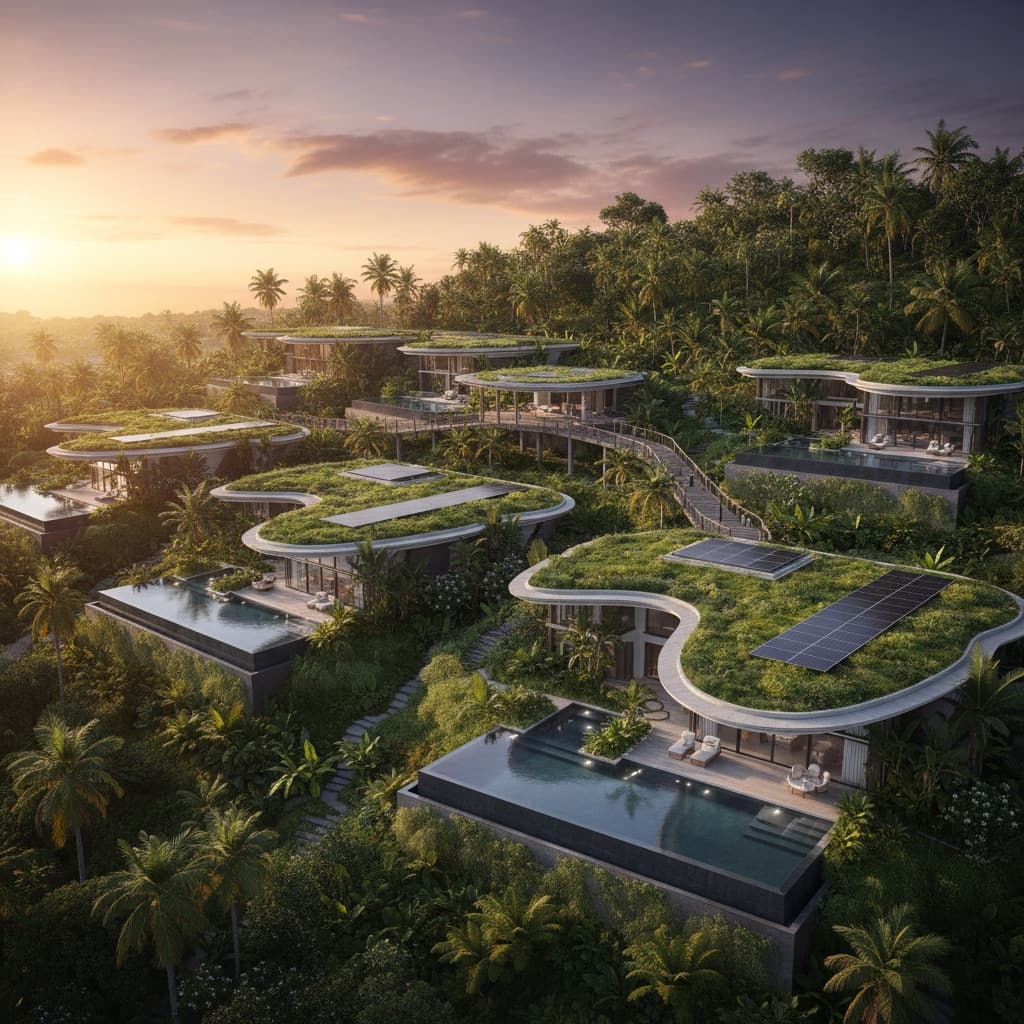
Wellness real estate is not a niche. The Global Wellness Institute valued the sector at $1.5 trillion in 2024, growing at 6.4% annually — outpacing the broader real estate market by 2-3x. By 2028, projections place the market at $2.1 trillion. This growth is driven by three converging forces:
Post-Pandemic Priority Shift
COVID-19 permanently altered buyer priorities. Indoor air quality, natural ventilation, biophilic design, and spatial flexibility shifted from "nice-to-have" to "must-have" for a significant buyer segment. McKinsey's 2023 consumer research found that 79% of consumers consider wellness a priority, and 42% consider it a top priority. This demand is especially strong in the premium segment where buyers have the income to act on their preferences.
Scientific Validation
The evidence base for wellness architecture has matured from anecdotal claims to rigorous, peer-reviewed research. Developers can now cite specific studies — cortisol reduction percentages, cognitive performance improvements, recovery speed data — rather than making vague "healthy living" promises. This scientific credibility has moved wellness from marketing language to investment thesis.
ESG and Regulatory Pressure
Environmental, Social, and Governance (ESG) criteria increasingly influence real estate investment decisions. Wellness certifications (WELL, Fitwel) satisfy the "S" (Social) pillar, while bioclimatic design strategies address the "E" (Environmental). For institutional investors and REITs, wellness architecture is becoming a portfolio requirement, not a differentiation strategy.
The Numbers: What Wellness Architecture Returns
Sale Price Premiums
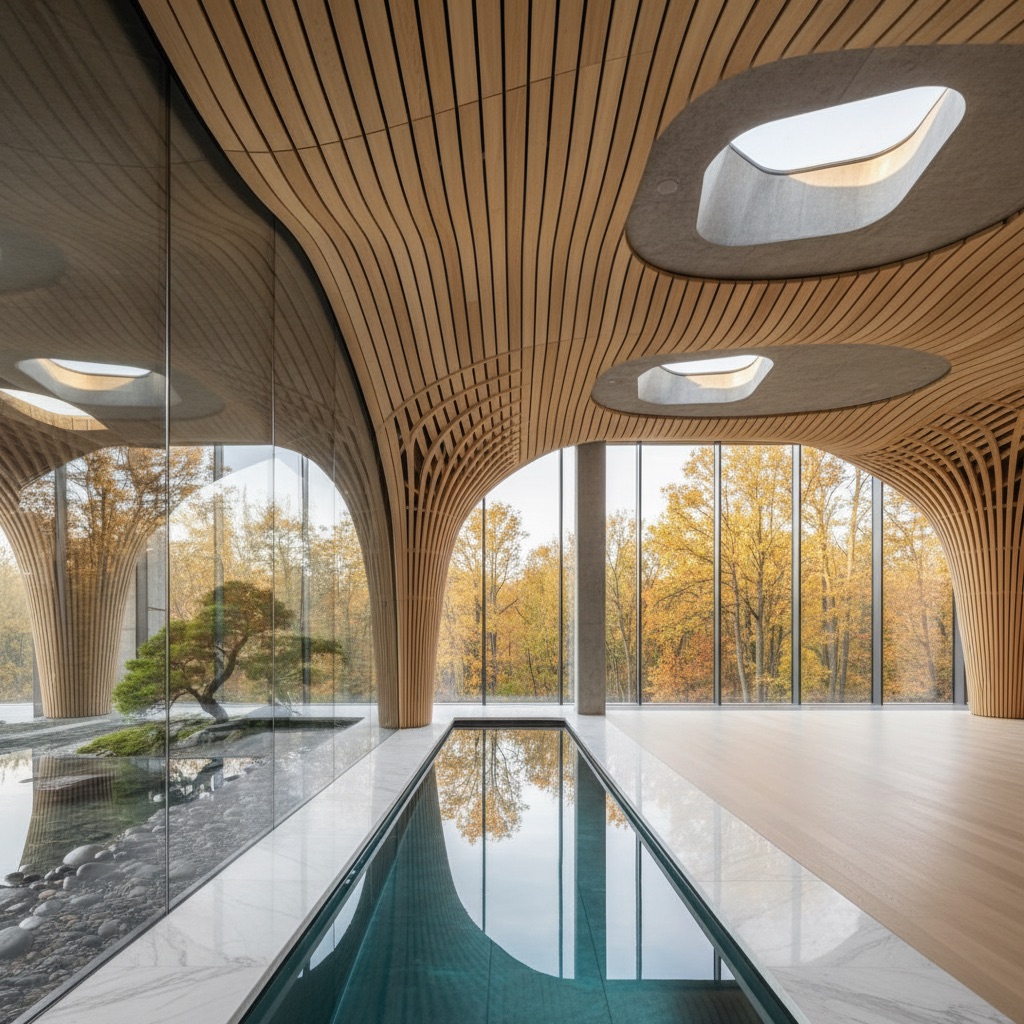
The data on wellness premiums comes from multiple independent sources:
- Global Wellness Institute (2023): Wellness-designed residential projects command 10-25% price premiums in primary markets.
- International WELL Building Institute: WELL-certified commercial assets achieve $5-12/sf rent premiums and 4-8% higher occupancy rates.
- Terrapin Bright Green (2018): Biophilic design elements contribute 10-20% to residential sale prices. When combined with parametric facade differentiation and wellness certification, total premiums reach 25-35%.
- CBRE + Cushman & Wakefield market data: Wellness-branded office environments achieve rent premiums of $5-12/sf in Tier 1 markets.
Absorption Velocity
Wellness-positioned developments sell faster:
- 15-25% faster absorption in residential projects (GWI data)
- 23% shorter selling periods for buildings with distinctive facades (ISE Facade Consulting)
- 30-40% higher conversion rates at showroom visits when wellness features are integrated into the sales experience (developer-reported data across Mexico and GCC markets)
Operating Cost Reduction
- -35% annual OPEX with bioclimatic envelope design (integrated parametric shading + natural ventilation)
- -45% cooling loads with parametric solar shading in Gulf/tropical climates
- -40% artificial lighting dependency with circadian-optimized daylighting strategies
- -20-30% HVAC system sizing — smaller equipment = lower capital cost + lower maintenance
Wellness Architecture ROI Summary
| Investment | Cost | Return | Payback |
|---|---|---|---|
| Parametric Facade | +10-25% facade cost | +8-17% sale price, -35% OPEX | 1-3 years |
| Biophilic Integration | +2-4% construction | +10-20% premium, -60% cortisol | Immediate (at sale) |
| Circadian Lighting | +3-5% MEP cost | +6% premium, -40% lighting energy | 2-4 years |
| WELL Certification | $50K-150K (process) | +5-10% additional premium | Immediate (at sale) |
| Neuroarchitecture Design | +15-25% design fee | +10-30% premium, 15-25% faster absorption | Immediate (at sale) |
Implementation Tiers: How to Right-Size Your Wellness Investment
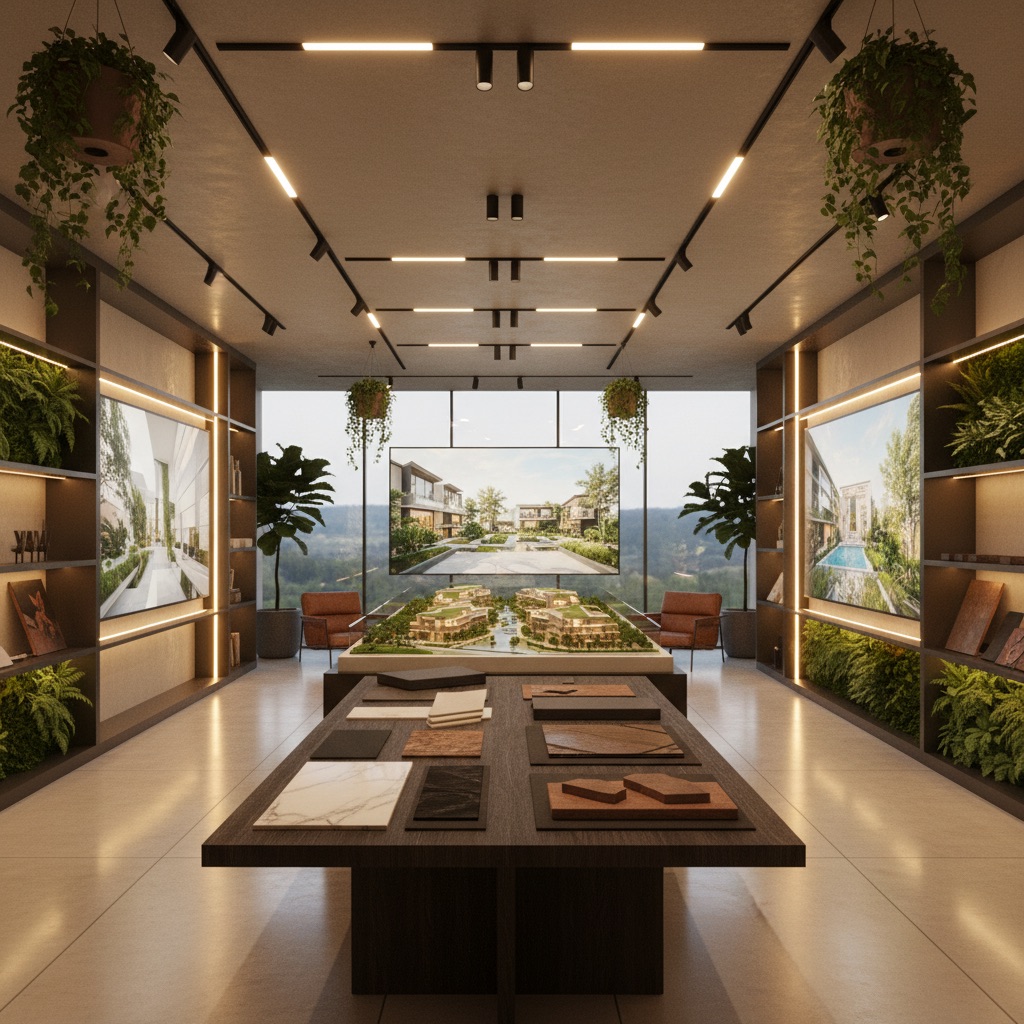
Not every project needs — or can support — a full wellness implementation. The most effective approach is tiered, matching the wellness investment to the project's market positioning, budget, and target buyer.
Tier 1: Foundation (2-4% added cost, 10-15% premium)
The highest-ROI strategies that should be standard in any premium development:
- Optimized natural light: Floor plans and orientations designed to maximize daylight penetration. Cost: $0 extra when integrated from schematic design.
- Parametric facade with bioclimatic response: Algorithmic shading that reduces cooling and creates visual identity. Cost: 10-25% facade premium.
- Natural materials palette: Wood, stone, and organic textiles specified for neurological effect. Cost: 0-5% premium over synthetic alternatives.
- Spatial sequence design: Compression-expansion sequences calibrated for emotional impact. Cost: $0 extra — it is a design decision, not a material addition.
- Cross-ventilation: Floor plans designed for natural airflow. Cost: $0 extra when integrated from concept stage.
Tier 2: Differentiation (4-7% added cost, 15-25% premium)
Strategies that create visible, marketable wellness features:
- Living green walls and vertical gardens: $150-500/m², high visual impact, strong marketing value.
- Water features: $50K-300K, parasympathetic activation through sound and visual movement.
- Circadian lighting system: +3-5% MEP cost, tunable LED systems that shift color temperature throughout the day.
- Acoustic wellness design: $5-15/m², sound environment calibrated for cognitive performance and restoration.
- Wellness amenity programming: Yoga studios, meditation gardens, spa facilities — programmatic features that signal wellness positioning.
Tier 3: Leadership (7-12% added cost, 25-35% premium)
Full wellness integration for developments targeting the highest market segment:
- WELL or Fitwel certification: $50K-150K process cost, provides third-party validation and marketing credibility.
- Integrated wellness technology: Air quality monitoring, circadian-responsive lighting automation, wellness apps connected to building systems.
- Neuroarchitectural design consultancy: +15-25% design fee for evidence-based spatial optimization by specialists.
- Biophilic landscape architecture: Extensive green infrastructure, therapeutic gardens, nature trails integrated into the development.
Common Mistakes: What Doesn't Work
Not all wellness investments deliver returns. These are the approaches that consistently underperform:
1. Wellness as Afterthought
Adding a "wellness floor" or branded spa to a conventionally designed building does not create a wellness development. If the building's orientation ignores solar access, the floor plans prevent cross-ventilation, and the facade is a generic glass curtain wall, no amount of amenity programming compensates. Wellness must be integrated from schematic design to deliver measurable results and credible marketing claims.
2. Certification Without Design
Pursuing WELL certification through checkbox compliance — adding air monitors, specifying low-VOC paints, documenting cleaning protocols — without fundamentally designing for wellness. The certification is achieved, but the building doesn't feel different from conventional competition. Buyers perceive the difference between authentic wellness design and certification veneer.
3. Over-Engineering the Technology
Installing expensive wellness monitoring systems, circadian lighting automation, and smart building platforms before getting the architecture right. Technology should enhance a fundamentally well-designed building, not compensate for architectural decisions that ignore daylighting, ventilation, and spatial quality. The highest-ROI wellness strategies (natural light optimization, spatial sequences, natural materials) cost little or nothing to implement — they are design decisions, not technology purchases.
4. Ignoring Local Climate and Culture
Importing temperate-climate wellness concepts to tropical or desert markets without adaptation. A wellness development in Valle de Bravo (forest + lake) requires different strategies than one in Dubai (extreme heat + humidity). The biophilic elements, ventilation strategies, and shading approaches must be calibrated to the specific climate — parametric design excels at this calibration because the algorithms respond to local environmental data.
Building the Investment Case: A Framework for Developers
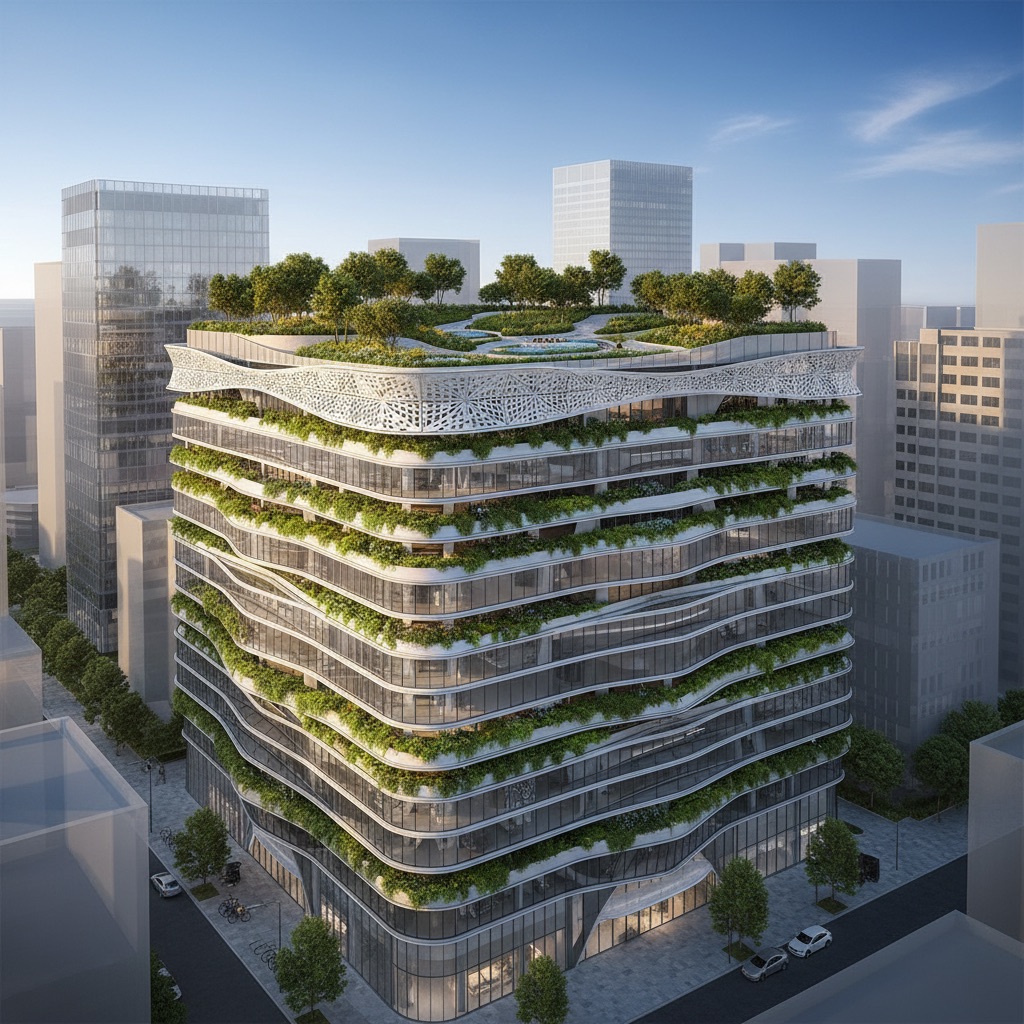
For developers evaluating a wellness architecture investment, this framework structures the decision:
Step 1: Market Positioning Analysis
Assess the competitive landscape: What are comparable developments offering? What premiums are wellness-positioned projects achieving in your specific market? What is the target buyer's wellness awareness and willingness to pay? In markets like CDMX Polanco, Valle de Bravo, Dubai Marina, and Miami waterfront, wellness positioning delivers the highest premiums. In price-sensitive markets, focus on Tier 1 strategies with the highest ROI.
Step 2: Climate-Responsive Strategy Selection
Match the wellness strategy to your climate and site conditions. In cooling-dominated climates (GCC, tropical), parametric solar shading delivers the highest energy ROI. In temperate-to-warm climates (Mexico highland, Mediterranean), bioclimatic ventilation and daylighting optimization are primary. In all climates, biophilic design and neuroarchitectural spatial sequencing deliver premium returns.
Step 3: Tier Selection and Budget Allocation
Based on market positioning and budget, select the implementation tier (1, 2, or 3). Allocate budget to the highest-ROI strategies first. A Tier 1 implementation at 2-4% added cost will outperform a poorly executed Tier 3 at 10% added cost. Quality of integration matters more than quantity of features.
Step 4: Design Integration from Day One
Engage wellness-specialist architects and neuroarchitecture consultants at the schematic design stage — not after floor plans are fixed. The highest-value wellness strategies (orientation optimization, spatial sequencing, natural ventilation) cost nothing extra when integrated from concept but are expensive or impossible to retrofit.
Step 5: Quantified Marketing Narrative
Build the sales narrative around quantifiable claims, not vague wellness language. "Our parametric facade reduces your energy costs by 35%" is more compelling than "live in harmony with nature." "This spatial sequence is designed to reduce your cortisol by 23% within 90 seconds of arrival" is more compelling than "experience tranquility." The science is the differentiator — use it.
Related Reading
- ¿Qué es la Neuroarquitectura? — The neuroscience behind wellness design: cortisol reduction, circadian optimization, and spatial sequences.
- Parametric Facades: How They Reduce Cooling Costs by 45% — Deep-dive into the highest-ROI wellness investment for cooling-dominated climates.
- Biophilic Design in Real Estate: Evidence and ROI — The evidence base for nature-integrated architecture and its impact on property value.
- High-Performance Building Design — Bioclimatic envelopes, energy systems, and certification pathways.
- Our Neuroarchitecture service — How we implement evidence-based wellness design for developers.
FAQ
What is the ROI of wellness architecture for real estate developers?
Wellness architecture delivers 10-30% sale price premiums, 15-25% faster absorption, and 35% lower OPEX. The implementation cost ranges from 2-12% added to construction budget depending on tier. Tier 1 strategies (parametric facades, natural light optimization, spatial sequences, natural materials) cost 2-4% and deliver the highest ROI — typically a 3-5x return on the incremental investment.
How much does wellness architecture cost to implement?
Wellness architecture implementation ranges from 2-12% added construction cost depending on scope. Tier 1 (bioclimatic facades, daylighting, materials, spatial design) adds 2-4%. Tier 2 (green walls, water features, circadian lighting, acoustic design) adds 4-7%. Tier 3 (WELL certification, wellness technology, full neuroarchitecture) adds 7-12%. Many Tier 1 strategies cost $0 extra when integrated from schematic design stage.
Is WELL certification worth the investment for developers?
WELL certification costs $50K-150K for the process and adds 5-10% to sale price premiums. It provides third-party validation that strengthens marketing claims and satisfies ESG requirements for institutional investors. However, certification without fundamental design integration underperforms — buyers perceive the difference between authentic wellness design and checkbox compliance. Focus on getting the architecture right first, then pursue certification.
What is the biggest mistake developers make with wellness architecture?
The biggest mistake is treating wellness as an afterthought — adding a branded spa or "wellness floor" to a conventionally designed building. If the building ignores natural light, prevents cross-ventilation, and has a generic facade, no amount of amenity programming creates a wellness development. Wellness must be integrated from schematic design to deliver measurable results and credible premiums.
How does wellness architecture perform in different climates?
Wellness strategies must be calibrated to local climate. In cooling-dominated climates (GCC, tropical), parametric solar shading delivers the highest energy ROI (-45% cooling loads). In temperate-warm climates (Mexican highland), bioclimatic ventilation and daylighting optimization are primary. In all climates, biophilic design and neuroarchitectural spatial sequencing deliver premium returns regardless of temperature — because the neurological response to fractal complexity, natural materials, and spatial compression-expansion is universal.